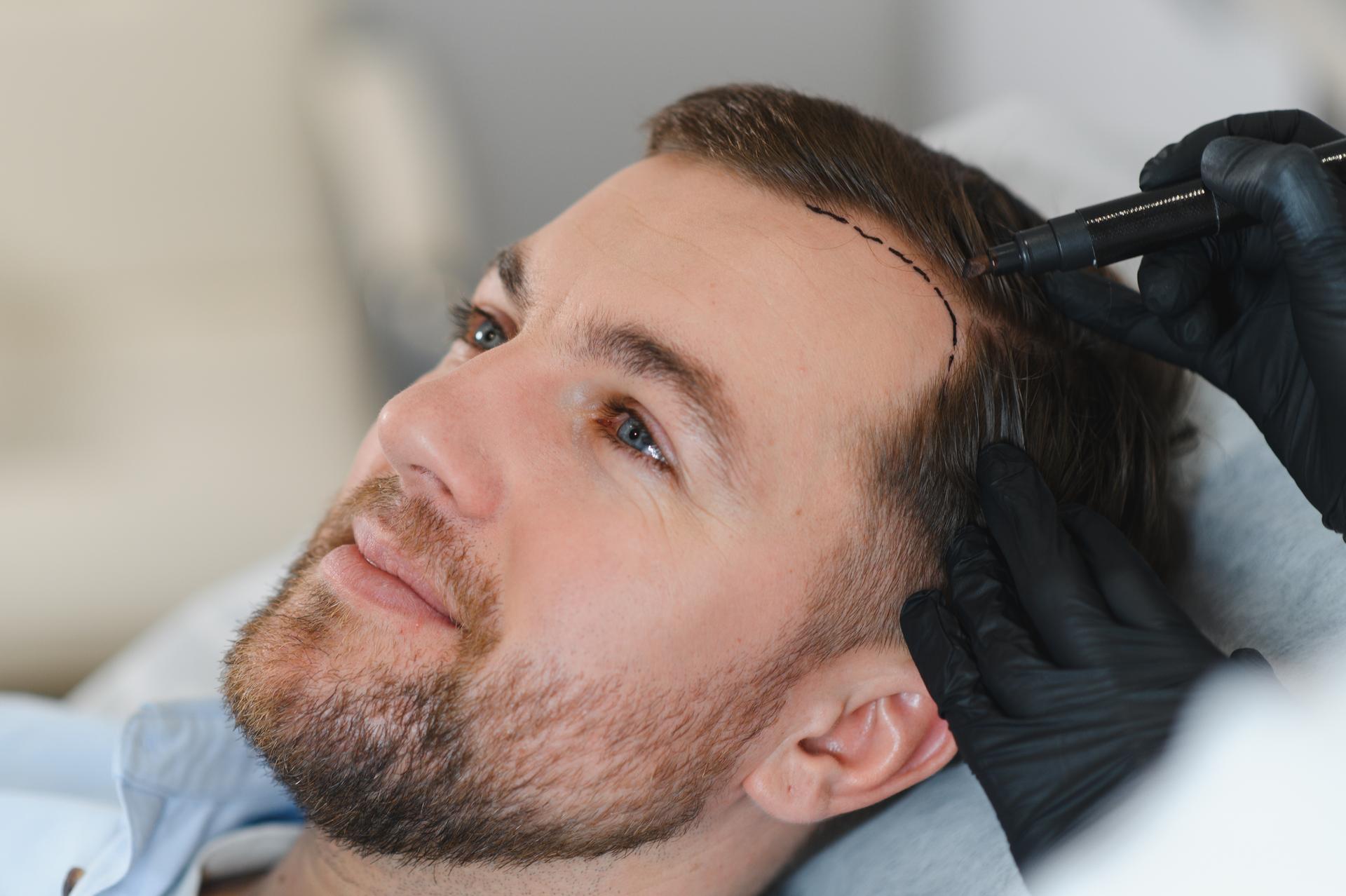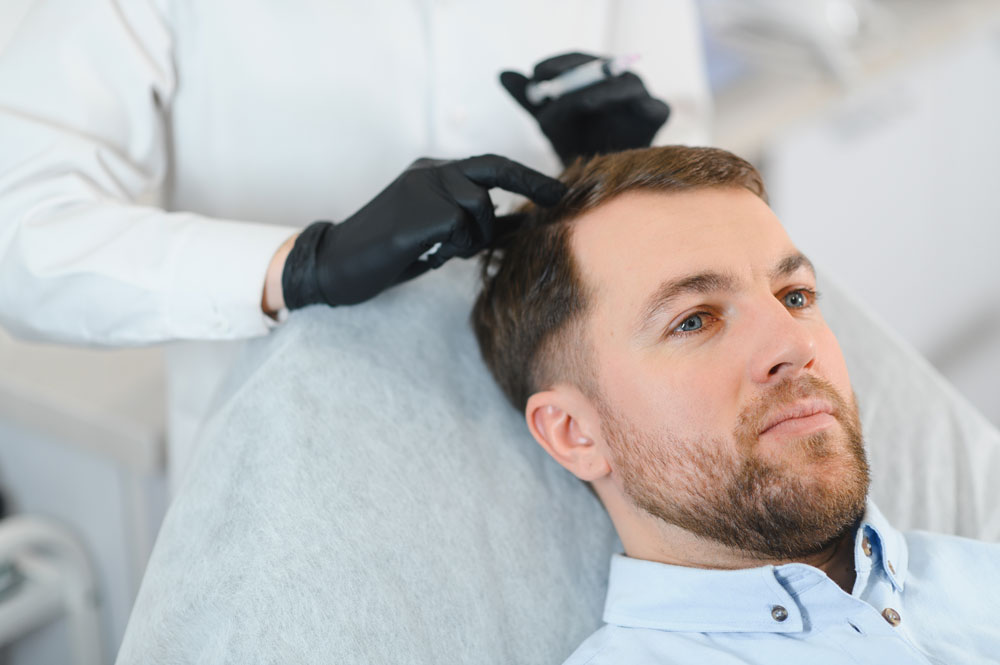
Hair restoration can significantly improve confidence for patients experiencing hair loss, thinning hair, or male pattern baldness. However, one of the most important things to understand before beginning treatment is that results take time. Whether you undergo an FUE or FUT hair transplant procedure, new hair growth develops gradually over several months rather than immediately after surgery.
At New Jersey Hair Restoration Center in Freehold, NJ, Dr. Shakov helps patients understand what to realistically expect throughout the recovery and regrowth process. Knowing the timeline in advance can help reduce anxiety, build confidence during healing, and set more realistic expectations for long-term hair restoration results.
Why Do Hair Transplant Results Take Time?
Hair grows in natural cycles that include growth, transition, shedding and resting phases. After a hair transplant procedure, transplanted follicles need time to heal, establish a blood supply and resume active growth.
As a result of this process, visible improvements occur gradually after both FUE and FUT hair restoration procedures. While many patients hope for immediate density, hair restoration is a long-term process that continues developing throughout the first year after treatment. Several factors can influence how quickly results become visible, including:
- The extent of hair loss
- Overall scalp health
- Donor hair quality
- The number of grafts transplanted
- Whether hair loss is still progressing
- Individual healing and growth patterns
Following aftercare instructions, attending follow-up appointments and maintaining realistic expectations can help patients feel more confident as their results gradually develop.
What Are the First Few Weeks After Hair Transplant Surgery Like?
The first stage after hair restoration focuses primarily on healing. During the first several days, patients commonly experience:
- Mild redness
- Swelling
- Tenderness
- Small scabs around the grafts
These effects are temporary and expected after both FUE and FUT procedures. Patients undergoing FUE often experience less visible downtime because the procedure removes individual follicular units rather than a donor strip. FUT patients may have slightly longer donor-area healing due to the strip harvesting technique.
Most patients can resume many normal daily activities relatively quickly, though strenuous exercise and certain scalp activities should be avoided during the early healing phase.
Why Does Transplanted Hair Shed After Surgery?
One of the most surprising parts of the hair restoration process is the shedding phase. Within the first several weeks after surgery, transplanted hairs commonly fall out. While this can feel alarming, it is a completely normal part of recovery after both FUE and FUT hair transplant procedures.
The follicles remain healthy beneath the scalp. What sheds is the visible hair shaft, not the transplanted follicle. After this resting phase, new hair growth gradually begins developing over the following months. Patients who understand this process in advance are often less anxious during early recovery.
When Does New Hair Growth Usually Begin After a Hair Transplant?
Most patients begin to notice early regrowth around months 3 to 4 after hair restoration treatment. At first, the new hair may appear:
- Thin
- Soft
- Lighter in texture
- Uneven in growth speed
This stage can sometimes feel discouraging because results still appear subtle. However, early growth is an important sign that the follicles are becoming active again.
Hair does not grow at the exact same speed from every graft, so uneven density during this stage is completely normal.
When Do Hair Transplant Results Become Noticeable?
Between months five and eight, most patients begin seeing more visible improvement in density and overall coverage.
During this stage, the transplanted hair often becomes:
- Thicker
- Darker
- Easier to style
- More natural-looking
Hairlines begin appearing more refined, and transplanted areas usually blend more seamlessly with existing hair. Many patients report that this is the stage when friends, family or coworkers first notice visible changes.
For patients using supportive treatments such as finasteride, minoxidil or PRP, existing hair may also appear healthier and more stabilized during this period.
When Do Final Hair Restoration Results Develop?
Final hair transplant results are typically seen between nine and twelve months after surgery, though some patients continue noticing improvements beyond the one-year mark.
Crown restoration may take slightly longer because hair growth in that region often develops more slowly than the frontal hairline. By this stage, transplanted hair behaves like natural hair. Patients can wash, cut and style it normally while enjoying improved density and coverage.
Because hair transplant procedures use your own living follicles, results are designed to look natural and long-lasting when properly planned and maintained.
Why Some Patients Wait Too Long To Treat Hair Loss
Many people delay seeking treatment because they assume hair loss will stabilize on its own or believe they should wait until thinning becomes more severe before considering a hair transplant.
Unfortunately, male pattern baldness is often progressive. Waiting too long can reduce donor availability and limit future treatment options.
Early consultation allows Dr. Shakov to evaluate:
- Your pattern of hair loss
- The stability of your donor area
- Whether FUE or FUT may be more appropriate
- Whether non-surgical support like finasteride, minoxidil or PRP may help preserve existing hair
Even patients who are not ready for surgery immediately can benefit from early planning and long-term treatment guidance before thinning becomes more advanced.
Restore Your Hair Before Thinning Progresses Further
Hair restoration is a gradual process, but understanding the timeline can help patients feel more confident throughout recovery and regrowth. Whether you are considering FUE, FUT, PRP for hair or hair loss medication options, realistic expectations are essential for long-term satisfaction.
At New Jersey Hair Restoration Center in Freehold, NJ, Dr. Shakov creates personalized hair restoration plans designed around your current hair loss pattern, donor availability and long-term goals. Scheduling a consultation early can help preserve more treatment options before hair loss progresses further.