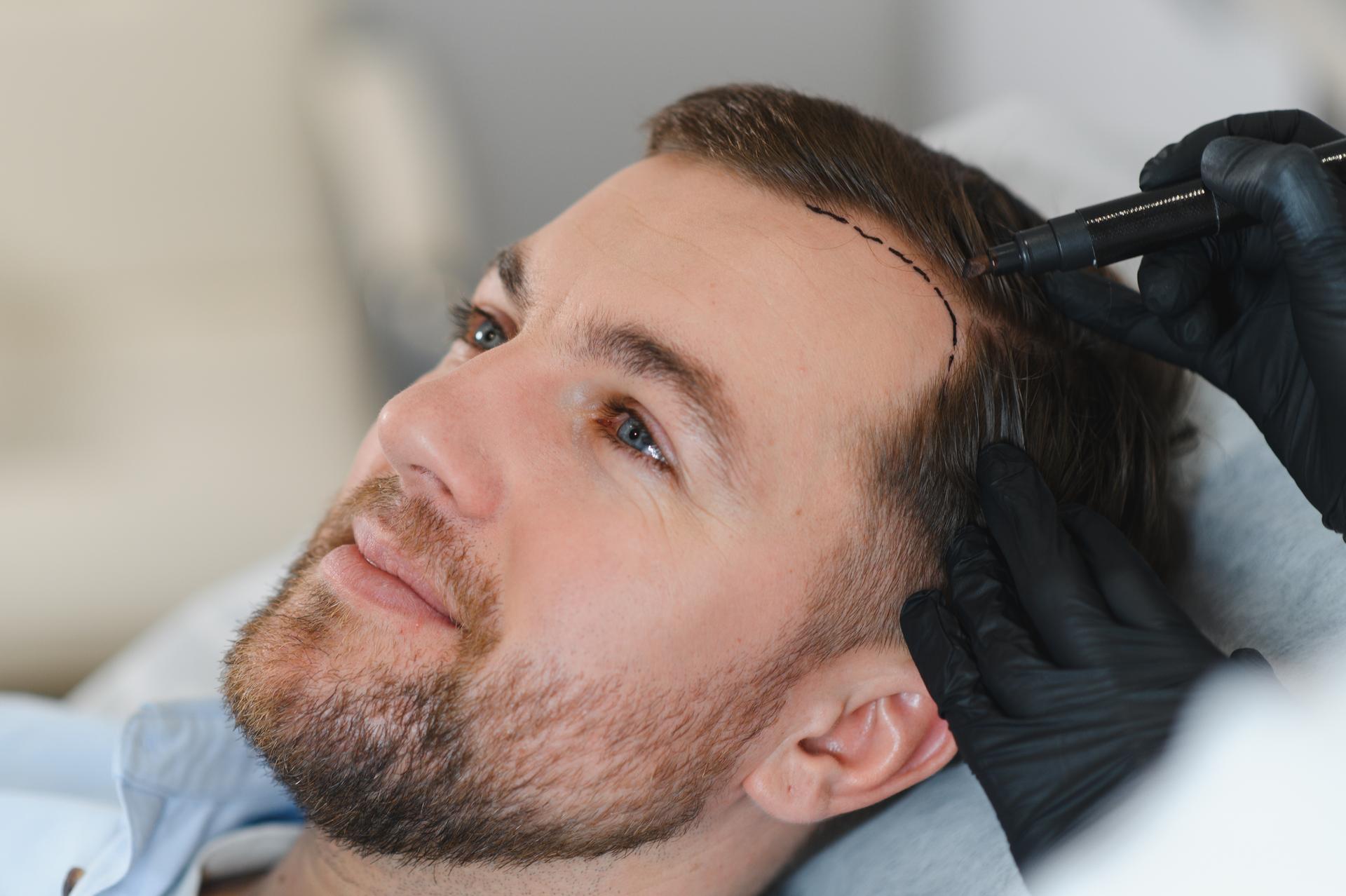
Hair thinning is gradual at first. You may notice more strands in the shower or a widening part in photos. Over time, those subtle changes become more visible. If you are experiencing hair loss, you are not alone. Millions of men and women face thinning related to genetics, hormones, stress and aging.
The good news is that you do not always need surgery to take action. Non-surgical hair restoration offers effective solutions designed to slow shedding, strengthen existing follicles and support healthier growth. At New Jersey Hair Restoration Center, patients have access to advanced, medically guided options to help address hair loss before it progresses.
What Causes Hair Loss And Male Pattern Baldness?
Before you can determine which treatment is right for you, you have to understand what is causing your hair loss.
The most common form of hair loss is male pattern baldness, also known as androgenetic alopecia. This condition is driven by genetics and sensitivity to dihydrotestosterone (DHT), a hormone that gradually shrinks hair follicles. As follicles miniaturize, hair strands become finer and shorter. Eventually, growth may stop altogether in affected areas.
While male pattern baldness typically follows a predictable pattern in men, women can also experience diffuse thinning or widening along the part line. Other contributors to hair loss include stress, thyroid imbalances, nutritional deficiencies and certain medications.
Because the causes vary, professional evaluation is critical. Non-surgical hair restoration is most effective when treatment targets the underlying cause of thinning.
What Is Non-Surgical Hair Restoration?
Non-surgical hair restoration refers to medically supervised treatments that improve hair density without a hair transplant. These therapies aim to preserve existing follicles, stimulate dormant ones and improve scalp health.
Unlike surgical procedures such as FUE or FUT, non-surgical approaches do not involve incisions or graft harvesting. Instead, they rely on medication, regenerative injections or combination therapy to promote healthier growth cycles.
For many patients, non-surgical hair restoration is the first line of defense against thinning. It can also be used alongside surgical treatments to enhance and maintain results.
What Treatments Do We Provide For Non-Surgical Hair Restoration?
If you are noticing thinning or early hair loss, take action sooner rather than later. Getting started early helps to protect existing follicles and slow the progression of hair loss.
At New Jersey Hair Restoration Center, we offer the following treatment options:
Hair Loss Medication
One of the most established non-surgical hair restoration methods is hair loss medication. These prescriptions help slow progression and support regrowth in certain patients.
Finasteride
Finasteride works by blocking the enzyme that converts testosterone into DHT. Since DHT is a primary driver of male pattern baldness, lowering its levels can reduce follicle shrinkage.
Clinical studies show that finasteride can slow hair loss and, in many cases, improve hair thickness. It is typically taken as an oral daily medication.
Minoxidil
Minoxidil is a topical solution applied directly to the scalp. It increases blood flow around follicles and may help extend the active growth phase of hair.
Available in foam or liquid form, minoxidil is widely used by both men and women. Results typically appear after several months of consistent application.
When used together, finasteride and minoxidil can be a powerful, non-surgical hair restoration strategy. However, not every patient is a candidate for hair loss medication, which is why everyone must come in for a consultation.
PRP For Hair
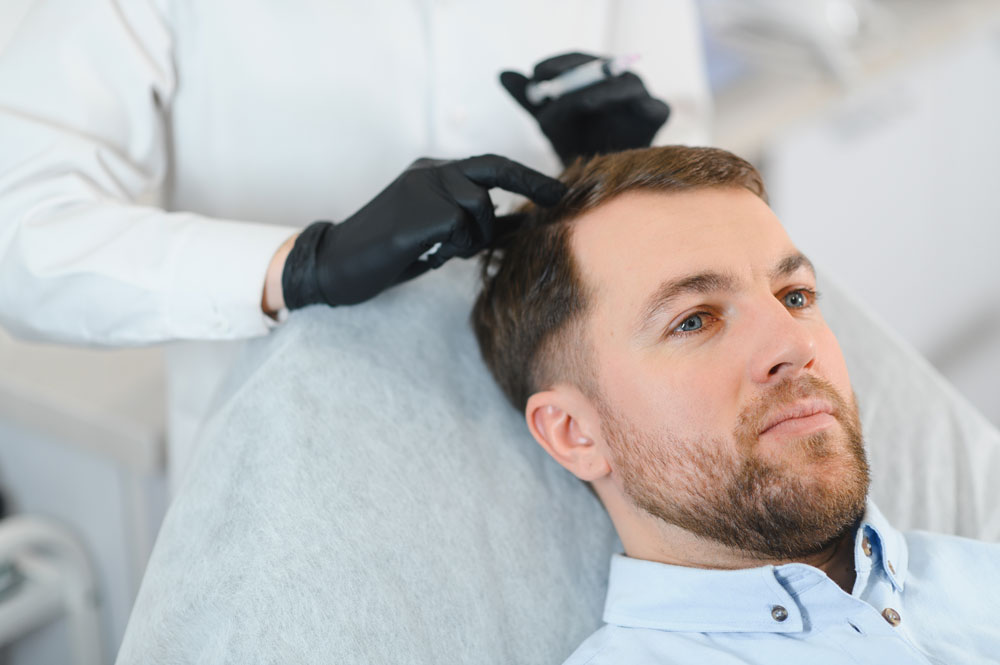
PRP stands for platelet-rich plasma, a concentration of growth factors derived from your own blood. During treatment, a small blood sample is processed to isolate platelets. The platelet-rich plasma is then injected into targeted areas of the scalp. These growth factors may stimulate dormant follicles, improve blood supply and enhance overall scalp health.
Many patients choose PRP because it uses their own natural biology. It does not require surgery and involves minimal downtime.
PRP for hair often works best in the early to moderate stages of thinning. It can also complement other nonsurgical hair restoration treatments, including medication.
Combination Therapy For Stronger Results
Hair thinning rarely has a single cause. For that reason, combination treatment plans often deliver better outcomes than relying on a single solution.
For example, a patient with male pattern baldness may use finasteride to address hormonal triggers and incorporate PRP for hair to support follicular activity. Others may combine minoxidil with in-office regenerative therapy. A customized non-surgical hair restoration plan allows us to tailor treatment intensity based on the severity of hair loss, medical history and aesthetic goals.
Who Is A Good Candidate for Non-Surgical Hair Restoration?
Non-surgical hair restoration may be appropriate for individuals who:
- Notice early thinning
- Experience male pattern baldness in mild to moderate stages
- Want to delay or avoid a hair transplant
- Prefer gradual improvement with minimal downtime
- Seek maintenance after FUE or FUT
Patients with extensive bald areas may still require surgical intervention. That is why a detailed consultation is essential. We can evaluate scalp condition, density and follicle viability before recommending a treatment plan.
Take Control Of Hair Loss Before It Progresses
Addressing hair loss early can expand your options and improve long-term outcomes. Non-surgical hair restoration offers a proactive way to protect existing follicles and encourage stronger growth without surgery.
At New Jersey Hair Restoration Center in Freehold, NJ, each patient receives an individualized evaluation to determine the most appropriate course of action. Whether you are considering hair loss medication, PRP for hair or exploring whether you might need FUE or FUT in the future, a personalized consultation with Dr. Emil Shakov provides clarity.
If you have noticed thinning or want to understand your options before hair loss progresses, scheduling a professional assessment is a smart first step. With the right approach, non-surgical hair restoration can help you regain confidence and take control of your hair health.